

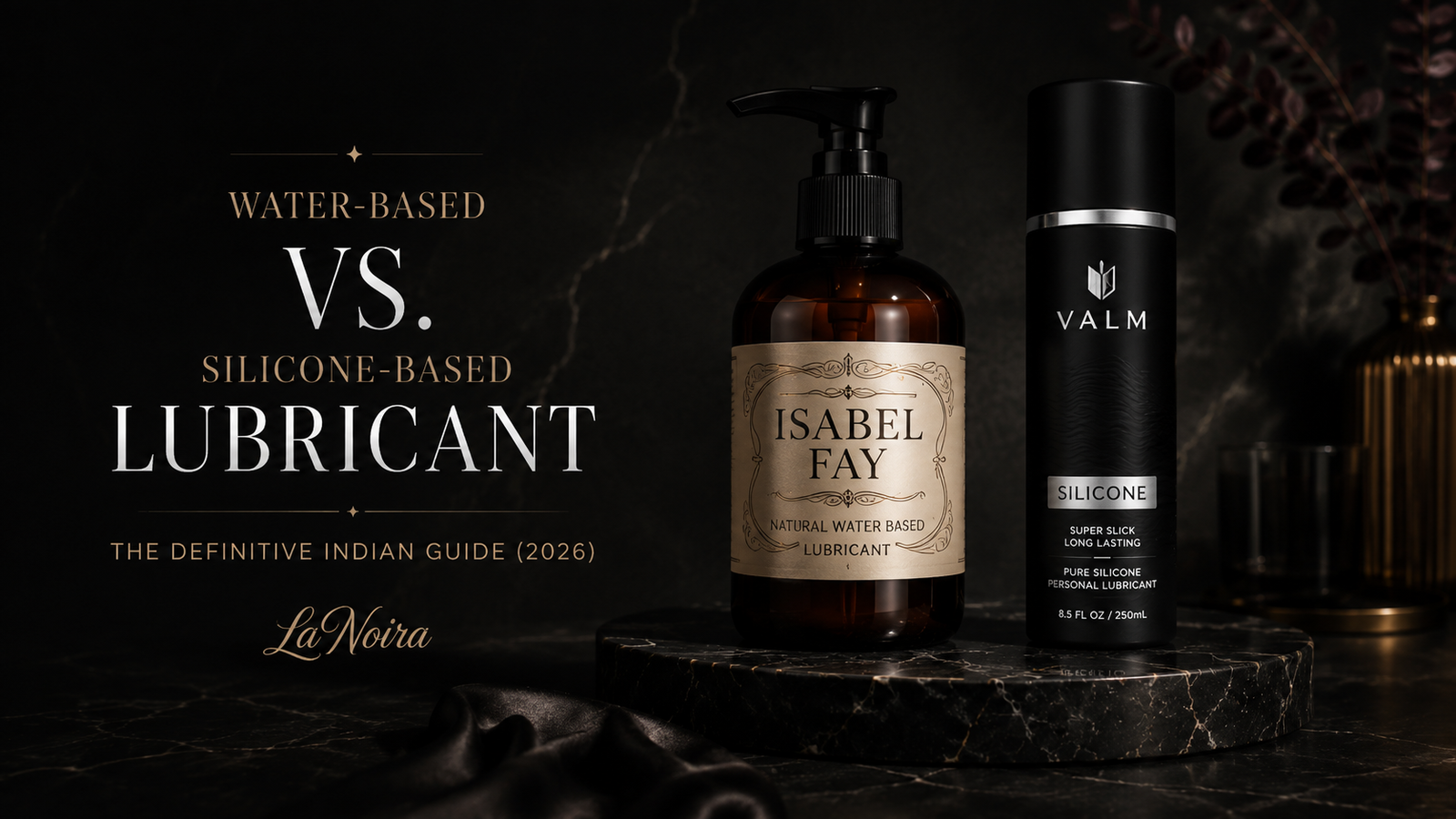
Most Indian households have never had an honest, judgment-free conversation about intimate comfort. Lubricant, treated as an afterthought or a source of quiet embarrassment, is neither. It is basic wellness, no different in principle from moisturiser or sunscreen, and deserves the same clear-eyed attention.
The market, unfortunately, has not made this easy. Dozens of brands make inconsistent ingredient claims; few explain their formulations honestly, and almost none address the questions Indian buyers actually have. This guide fills that gap directly: real ingredient transparency, climate-specific advice, and honest answers about the household alternatives so many buyers reach for instead.
What Is a Personal Lubricant, and Why Type Matters
Before comparing formulas, it helps to understand what actually separates one category from another. Those newer to this category more broadly may find our beginner’s guide to luxury wellness instruments a useful companion to this piece.
The Three Core Categories
Lubricants fall into three broad families. Water-based formulas are the most versatile and widely compatible. Silicone-based formulas offer longevity and a silkier glide. Oil-based products, largely household staples rather than purpose-made lubricants, carry risks this guide addresses directly further on.
Why “One Lube Fits All” Is a Myth
Skin sensitivity, climate, and the specific use case, whether solo, partnered, or with a toy, all shift the calculation. A formula perfectly suited to one scenario can be entirely wrong for another, which is precisely why a single blanket recommendation rarely serves anyone well.
Water-Based Lubricants: The Full Breakdown
The most versatile of the three categories, and for most buyers, the sensible place to begin.
How They Work
A well-formulated water-based lubricant is designed around osmolality and pH-matching, properties that determine how gently it interacts with the body’s own natural chemistry. Formulas closer to the body’s natural pH and osmolality tend to feel less disruptive and cause less irritation over repeated use.
The Hidden Ingredient Traps Most Brands Don’t Explain
Glycerin appears in a large share of water-based formulas because it is cheap and improves texture. The trade-off rarely gets mentioned: glycerin can feed yeast and bacterial imbalance, a concern that intensifies in India’s humid climate, where these organisms already thrive more readily.
Parabens are preservatives linked to endocrine-disruption concerns in a growing body of research. A “paraben-free” label sounds reassuring, yet it is frequently meaningless without full ingredient disclosure, since a brand can remove one type of preservative while retaining others equally worth scrutiny.
Synthetic hormone-mimicking additives occasionally appear in cheaper formulations, and hypersensitive skin can react to them in ways that are easy to misattribute to something else entirely.
A quick note on reading an Indian lubricant label: look past the front-of-pack claims and read the full ingredient list on the back. A formula that lists glycerin or parabens near the top of that list, regardless of what the packaging promises, deserves more scrutiny than the marketing copy invites.
Who Water-Based Is Ideal For
Sensitive skin, first-time users, and anyone using a silicone toy alongside the lubricant. If you are still deciding which device to pair it with, our guide to the best vibrators for women in India covers material compatibility in more depth. Water-based formulas remain compatible with every toy material and every condom type, making them the safest universal default.
The Real Downside, Addressed Honestly
Water-based formulas dry out faster than silicone alternatives, particularly during longer sessions or in a warm room. Reapplication is simply part of the experience, not a flaw worth hiding.
Silicone-Based Lubricants: The Full Breakdown
A different chemistry entirely, built around staying rather than absorbing.
How They Work
Silicone-based formulas work through film-forming, non-absorbent chemistry. Rather than being drawn into the skin the way water-based formulas are, they sit atop the surface, which is precisely why they last considerably longer per application.
Genuine Advantages
Waterproof by nature, silicone-based lubricants hold up well in the shower and across extended sessions where reapplication would otherwise interrupt the moment.
The Real Drawbacks Glossed Over Elsewhere
Silicone lubricant degrades silicone toys on contact, a pairing that opens microscopic tears in the toy’s surface over repeated use. Cleanup is also more demanding, generally requiring soap rather than water alone, and the residue can stain fabric, a genuine concern given how Indian bedding is typically laundered. For hypersensitive skin, the occlusive residue left behind can also occasionally irritate.
Who Silicone Is Genuinely Better Suited For
Extended sessions, shower or bath use, and anyone using non-silicone toys, such as glass or steel, where the degradation concern simply does not apply.
Direct Comparison Matrix
| Attribute | Water-Based | Silicone-Based |
|---|---|---|
| Texture and feel | Light, natural | Silky, more slippery |
| Longevity | Shorter, needs reapplication | Long-lasting |
| Cleanup | Water alone | Soap required |
| Condom safety | Safe with latex and polyisoprene | Safe with latex and polyisoprene |
| Sex toy safety | Safe with all materials | Unsafe with silicone toys |
| Skin sensitivity fit | Generally gentler | Can cause occlusive irritation |
| Humidity and climate performance | Requires clean formulation | Unaffected by humidity |
| Price range in India | Budget to mid | Mid to premium |
| Ideal use case | Everyday, toys, sensitive skin | Extended sessions, shower use |
In short: water-based is the safer universal default, and silicone-based earns its place specifically for longevity and water-based scenarios where toy compatibility is not a factor.
Indian Consumer Realities No One Else Is Addressing
Three questions come up again and again among Indian buyers, none of which competitor content bothers to answer properly. For a broader treatment of buying safely in this category overall, our complete guide to buying sex toys in India covers much of the same ground from a wider angle.
The Household Oil Question: Coconut Oil, Ghee, Mustard Oil, and Vaseline
These staples sit in nearly every Indian kitchen and bathroom, and reaching for them feels natural precisely because they are so familiar. The concern is not one of judgment but of chemistry.
Oil-based products break down latex, meaningfully undermining condom effectiveness within minutes of contact. Beyond that, their pH profile is not designed for internal use, and repeated use can disrupt the body’s natural balance in ways that raise infection risk over time. This is not a reason for shame. It is simply a case where a purpose-made formula does a safer job than a kitchen staple ever could.
Tropical Humidity, Monsoon Hygiene, and Lubricant Stability
India’s climate asks more of a lubricant’s formulation than cooler markets typically demand. Heat and humidity accelerate bacterial growth in any product with the wrong ingredient profile, glycerin-heavy formulas especially, which is precisely why ingredient-clean formulation matters more here than the marketing materials suggest.
Storage matters too. A bathroom shelf, warm and often humid, is a poorer choice than a cool, dry bedroom drawer away from direct heat or sunlight.
Discretion, Packaging, and Cash-on-Delivery Realities
The anxiety here is real and worth naming directly: unmarked packaging, a family member accepting the delivery, and what a payment method reveals to anyone else in the household. A considered Indian retailer ships in a sealed, unbranded box, offers cash on delivery for those who prefer zero digital trace, and does not indicate contents on the parcel’s exterior. We cover this mechanism in full in our dedicated discretion guide, and the same standard applies equally to lubricant orders as to any other product in this category.
So, Which One Should You Actually Choose?
A short decision framework, rather than another table, tends to serve this question better.
If your skin runs sensitive, or you use silicone toys regularly, water-based is the safer default. If you value longevity above all else, and your toys are glass, steel, or ABS rather than silicone, a silicone-based formula earns its higher price. For most first-time buyers, and for nearly every household in a humid climate, water-based remains the sensible starting point.
Introducing a Cleaner Standard: Isabel Fay Natural Water-Based Personal Lubricant
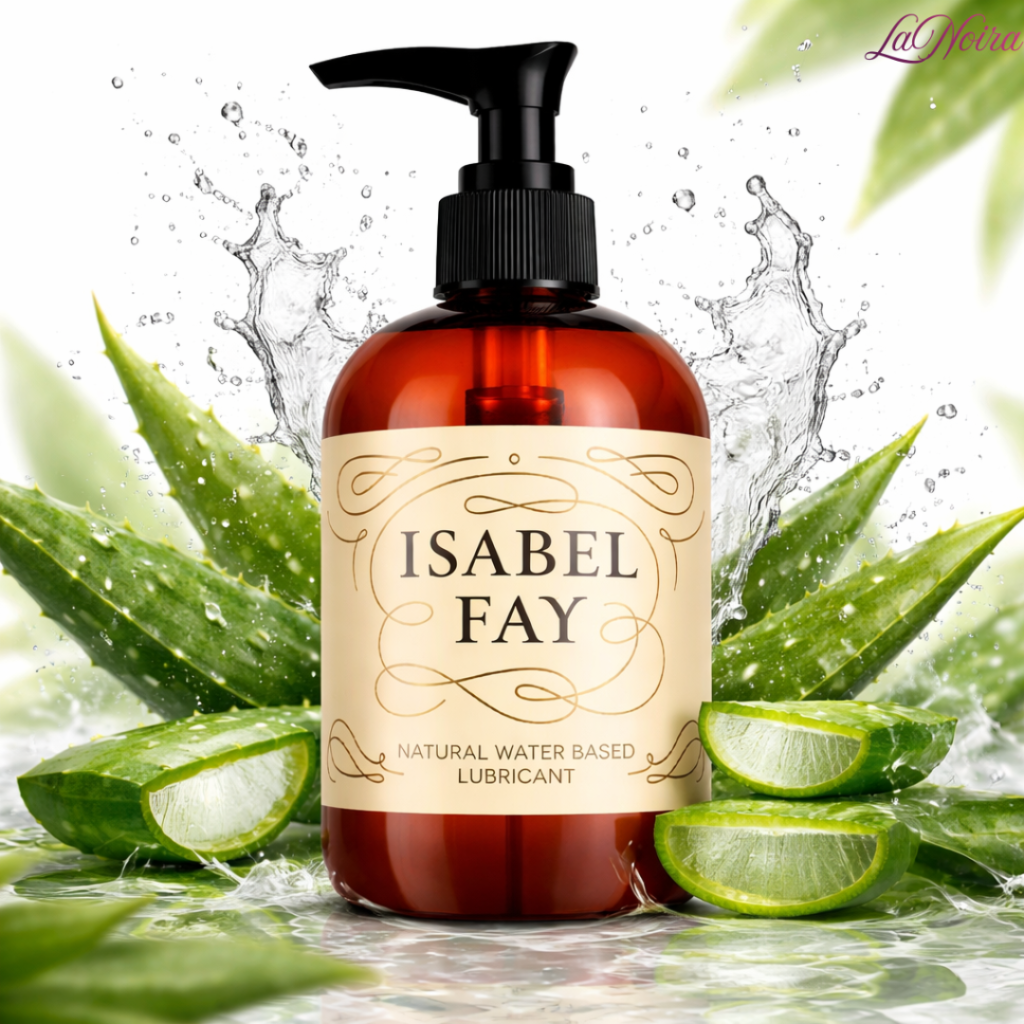
Every ingredient trap named earlier in this guide, glycerin, parabens, synthetic additives, exists precisely because most formulas cut corners somewhere. The Isabel Fay Natural Water-Based Lubricant was built to close that gap entirely: free of glycerin, parabens, and artificial hormones, formulated to a standard designed specifically for hypersensitive skin, the exact concern this guide has raised throughout in the context of India’s climate.
It arrives, as every LaNoira order does, with the discretion standard Indian buyers have come to expect and rightly demand. For the full range, our water-based lubricant collection and silicone-based collection sit alongside it, each curated to the same standard.
A Final Word
Informed choice matters more than any single brand claim. Understanding what sits inside a formula, and why, puts the decision back in your hands rather than a marketing department’s. If a clean-label, hypersensitive-skin-first option is what you are after, Isabel Fay is built exactly for that, delivered with the same discretion covered throughout this guide.
Frequently Asked Questions.
Water-based is generally the gentler choice, particularly in a humid climate. The caveat: the formula must avoid glycerin and synthetic additives, both of which can trigger irritation in sensitive skin types. In India’s warm, humid conditions, water-based formulas are also easier to clean and less likely to cause residue build-up.
It is best avoided. Both coconut oil and ghee break down latex condoms, eliminating their protective function entirely. Beyond that, oil-based substances carry a higher risk of disrupting the body’s natural microbial balance over repeated use — a concern particularly relevant in warm climates where conditions already favour bacterial activity.
Yes. Water-based formulas remain compatible with every condom type — latex, polyisoprene, and polyurethane — and with every toy material, including silicone, glass, metal, and ABS plastic. This universal compatibility is precisely why water-based is the recommended default for any new buyer.
Yes. Warm, humid storage accelerates both degradation and bacterial growth, particularly in glycerin-heavy formulas that serve as a nutrient source for microbes. A cool, dry drawer is a significantly better home than a bathroom shelf — the latter’s heat and moisture cycle shortens the effective shelf life considerably, regardless of what the expiry date on the packaging states.
Yes, provided the retailer ships in plain, unmarked packaging with a neutral sender name — which LaNoira does by default under its Strict Discretion Protocol. Cash on delivery remains available for those who prefer to leave no digital payment trace whatsoever. Both the box and the bank statement descriptor are designed to reveal nothing.
Three categories are worth checking for on every label: glycerin (feeds yeast and bacteria, particularly problematic in humid conditions), parabens (preservatives linked to hormonal disruption), and synthetic hormone-mimicking additives such as propylene glycol. These warrant scrutiny regardless of whatever the front-of-pack claims promise.
Content is informational and intended for adult readers. Ingredient tolerances vary by individual — consult a healthcare professional if you experience persistent irritation. For product-specific questions, contact our support team.