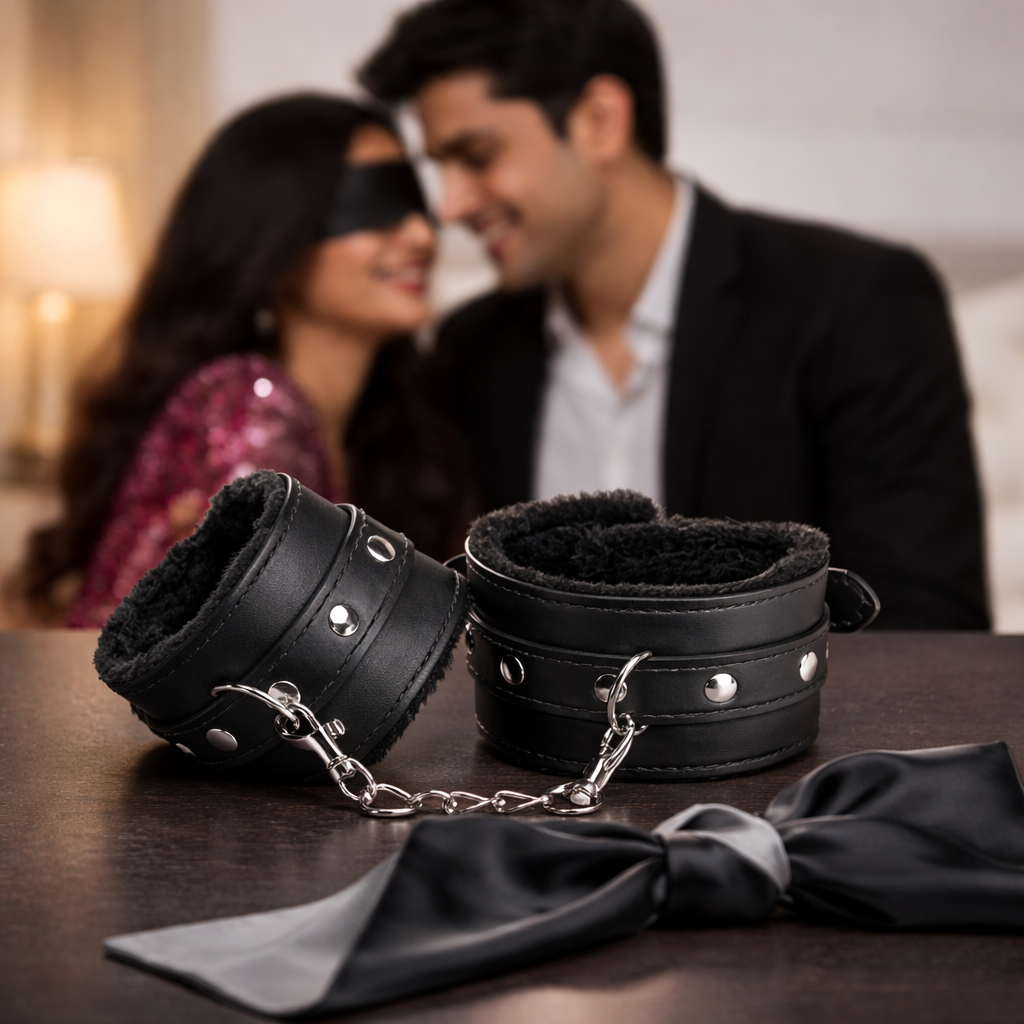
Master the art of surrender through precision-engineered boundaries. Our Bondage collection is defined by anatomical safety and high-tensile durability. From the complete sensory blackout of our ergonomic blindfolds to the structural stability of locking restraints, every piece is selected for its skin-safe materials and reliable release mechanisms. Explore a landscape where trust meets technical excellence.
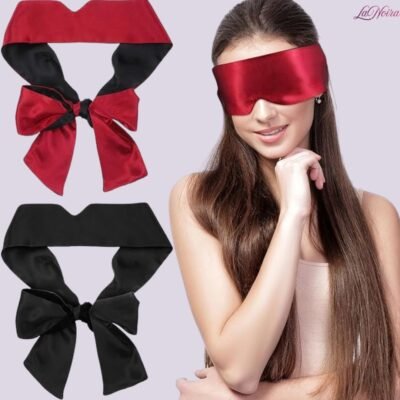
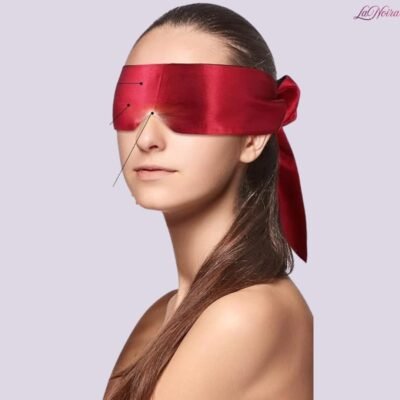
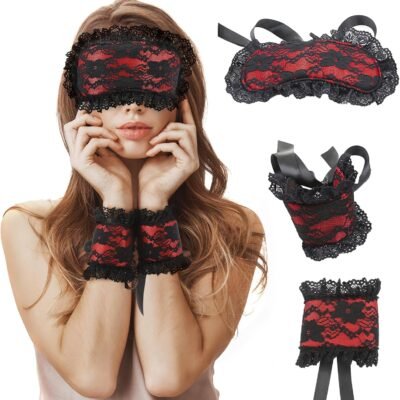
Sensory deprivation begins with one well-made blindfold. The pieces in this selection are built around a contoured shell that sits flush against the orbital bone, eliminating light without applying pressure to the eyes. Silk and satin-lined interiors make extended wear genuinely comfortable rather than merely tolerable. Removing vision heightens every other point of contact, which is precisely the engineering intention behind each design here.
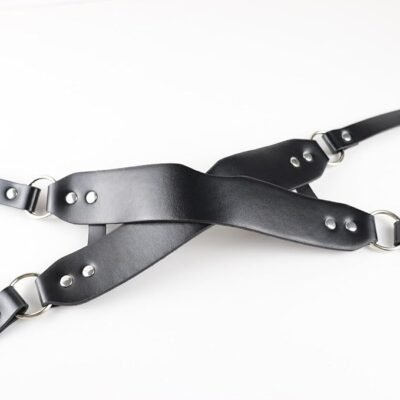
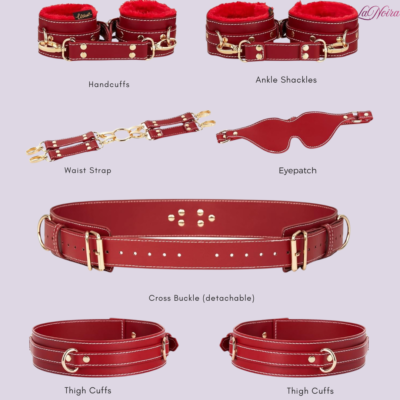
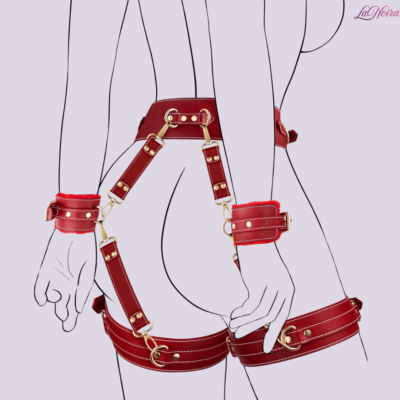
A well-constructed pair of restraint cuffs earns its place through hardware precision, not aesthetic alone. This selection prioritizes reinforced swivel links that allow natural wrist rotation under load, padded interior linings that prevent pressure concentration at the closure point, and locking mechanisms engineered for confident single-action release. The two-finger clearance rule applies to every closure in this category — enough tension to restrain, never enough to restrict circulation.
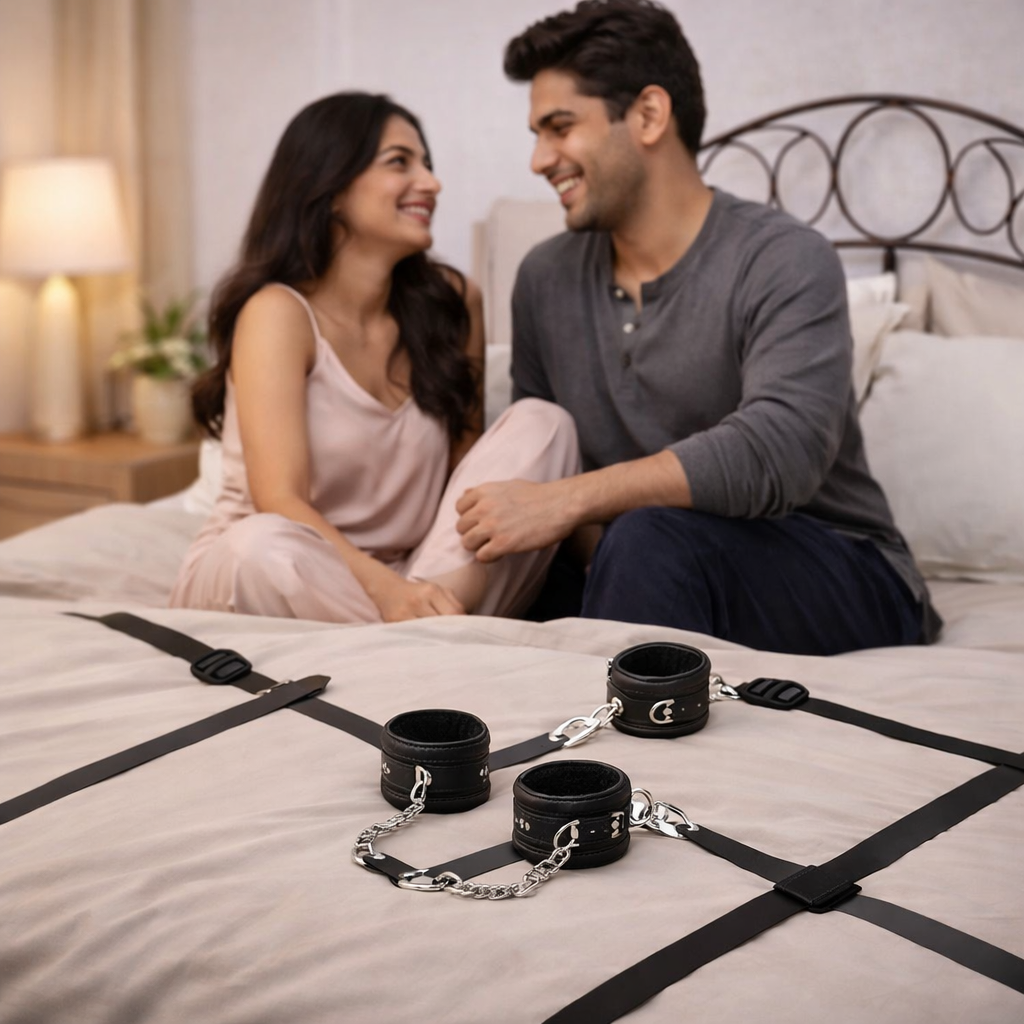
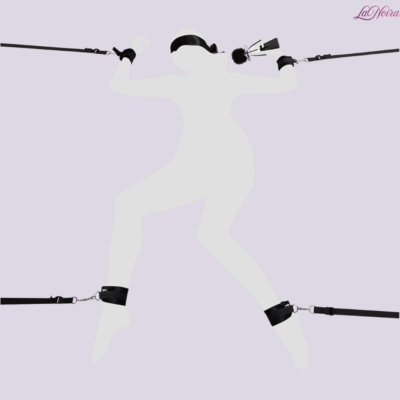
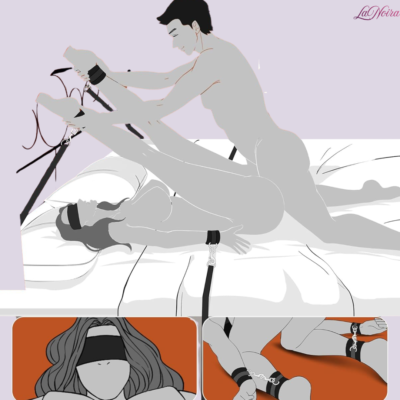
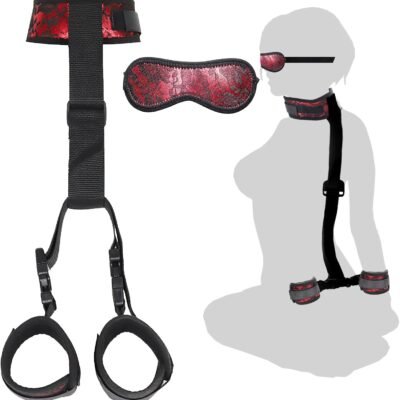
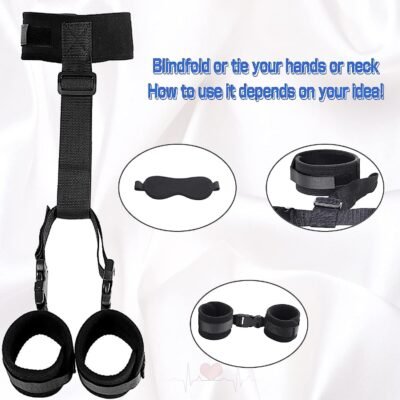
Full positional systems occupy the most considered end of this category. Under-bed restraint systems route adjustable straps beneath the mattress to anchor all four limbs without requiring fixed wall or furniture attachment. Spreader bars maintain limb spacing with precision and are sized to keep the body in a position that remains comfortable under sustained hold. Every quick-release buckle in this selection is rated for load without slip, and tested for single-handed release without tool assistance.
₹3,599.00Original price was: ₹3,599.00.₹2,089.00Current price is: ₹2,089.00.
The ScarletLace collection focuses on the intersection of beauty and restriction. By…
Specialist Buying Guide
Architecture of Trust
A technical guide to selecting bondage play accessories by restriction type, material grade, and safety specification.
Bondage play is built on two non-negotiable foundations: physical safety and clear communication. Every product decision in this category is secondary to those two requirements. This guide approaches each subcategory from a material and engineering perspective, covering what separates a well-made piece from a poorly constructed one, and how to select gear that performs reliably across both comfort and security.
Selecting a Blindfold: Blackout Quality and Wear Comfort
The functional requirement of a sensory blindfold is total light elimination without orbital pressure. Cheaper options achieve blackout by pressing fabric directly against the eyes, which becomes uncomfortable quickly and disrupts focus. A well-designed blindfold uses a contoured shell, typically rigid or semi-rigid, that bridges across the nose and cheekbones so the material never contacts the eye surface directly.
Interior lining determines wear duration. Silk and satin linings remain cool against skin and do not absorb moisture the way foam does, making them the correct choice for extended sessions. The securing strap should be adjustable with enough range to accommodate different head sizes without the band creating pressure points at the temples. Elastic straps are convenient but lose tension over time. Fixed-width adjustable straps with a buckle closure hold their calibration across repeated use.
Beyond intimate play, the light-blocking architecture of a well-constructed blindfold makes it equally effective for sleep and travel. This is not a secondary function but a direct result of genuine blackout engineering.
Selecting Handcuffs: Hardware Precision and Release Safety
The most important specification on any pair of restraint handcuffs is the release mechanism. It should operate reliably with one hand, without tools, and without requiring the wearer to articulate their wrists into an awkward position to activate it. Test this before any session. A mechanism that requires two-handed operation or fine motor precision is not appropriate for restraint play.
The two-finger rule governs fit at every closure: if two fingers cannot sit flat between the cuff interior and the wrist, the fit is too tight. Circulation restriction is the primary injury risk in this category and it develops gradually, which means discomfort may not register immediately. Padded interiors distribute pressure across a broader surface area and significantly reduce the risk of localized compression against bone or nerve pathways.
Material choice is a separate consideration from safety. Metal cuffs with nickel-free alloys or high-grade stainless steel are durable and easy to clean. Padded leather cuffs keep all hardware away from direct skin contact, which suits those with metal sensitivity. Both are appropriate when the hardware is precision-machined rather than cast, and when the swivel link allows natural wrist rotation under load rather than locking the joint against movement.
Selecting Restraints: Positional Systems and Load Rating
Full positional restraint systems introduce variables that individual cuffs do not. Under-bed systems route adjustable straps beneath the mattress and anchor all four limbs from below, requiring no wall fixings or furniture modification. The practical advantage is that the system stores flat and leaves no visible hardware when not in use, making it the most discreet option for shared living situations.
Spreader bars maintain fixed limb spacing and are sized to hold the body in a stable, anatomically neutral position. The bar length should match the natural shoulder or hip width of the restrained partner rather than an arbitrary standard size. A bar that is too wide places the joints under lateral stress across the duration of the session. Every buckle and anchor point on a load-bearing restraint system should be rated for the applied force and tested for slip resistance before use.
Regardless of system type, a quick-release mechanism that either partner can activate without assistance is a structural requirement. Rope, by contrast, requires cutting or skilled untying under pressure and is not recommended for beginners. The pieces in our collection use buckle or snap-release hardware specifically to remove this variable entirely.
Materials at a Glance
The table below maps each primary material against its key performance characteristics across the three subcategories.
Material
Feel & Properties
Best For
Level
Silk / Satin
Cool, smooth, skin-kind across extended wear
Blindfold linings; beginner soft restraints
Beginner
Padded Leather
Structured, durable, keeps hardware off skin
Cuffs and restraints; metal-sensitive users
All Levels
Stainless Steel
Rigid, precise, easy to sterilise fully
Handcuffs with locking mechanisms
Intermediate
Neoprene
Flexible, lightweight, hypoallergenic
Extended-wear cuffs; active restraint play
Intermediate
PVC and low-grade synthetic leather are not carried in this collection. They off-gas plasticisers over time, are difficult to clean thoroughly, and deteriorate at closure points under repeated load.
Choosing by Experience Level
Couples beginning with bondage play will find a blindfold the most accessible starting point. It introduces sensory alteration without physical restriction and requires no technical knowledge to use correctly. A silk eye mask with a single adjustable strap is sufficient for a first experience and removes the variable of fit precision entirely.
The next step for most couples is a padded cuff with a simple snap or buckle release. This introduces physical restraint at a level where both partners remain in full control of the release mechanism at all times. Spreader bars and under-bed systems are best approached once both partners have a clear and practiced understanding of how the other communicates during restraint, particularly non-verbal communication when verbal response is limited.
Consent, Communication and Safety Protocol
A safe word is a technical specification, not a formality. It should be a word that would not occur naturally in the context of a session, is easy to pronounce under stress, and is agreed upon before the session begins. Many practitioners use a traffic light system: a designated word for pause and a separate word for full stop. Both should be established before restraints are applied.
Keep blunt-nosed safety scissors within reach of whoever is not restrained at all times. This is the recommended protocol regardless of how reliable the release mechanism is. Sessions should begin with the restrained partner confirming comfort at each closure point before the active phase begins. Numbness, tingling, or colour change at the wrist or ankle are signals to release immediately and check circulation before continuing.
Our full Bondage Play collection is selected with this protocol in mind. Every closure mechanism in the range is tested for single-action release, and no product that requires tool-based removal is carried in this archive.
Buying Bondage Play Accessories Online in India
The Indian market for premium bondage accessories has grown considerably in sophistication. Physical retail in this category is limited both in range and in the quality of material information provided. Buying online at LaNoira gives access to full specifications on hardware grade, lining material, load ratings, and release mechanism type — the details that determine whether a piece is genuinely safe or merely aesthetically convincing.
All orders are dispatched in plain, unbranded packaging with no exterior description and neutral billing across all payment methods. Your purchase is entirely private from checkout to delivery.
Safety Protocol
Establish a safe word before any session begins. Confirm it is understood by both partners.
Apply the two-finger rule at every closure. Two fingers flat between the cuff and skin is the minimum clearance.
Keep blunt-nosed safety scissors within reach of the non-restrained partner at all times.
Check for numbness, tingling, or colour change at wrists and ankles. Release immediately if any occur.
Test every release mechanism before the session. Never use a closure you have not operated before.
All LaNoira orders ship in plain, unbranded packaging with no exterior product description. Billing is neutral across all payment methods. Your order remains entirely private.
Common Questions
Safety, Materials & First Steps
Answers to the questions that matter most before you begin.
Safety in restraint play rests on three non-negotiable practices. First, apply the two-finger rule at every closure: two fingers should sit flat between the restraint and the skin with the closure fastened. Second, keep blunt-nosed safety scissors within reach of the non-restrained partner throughout the session. Third, check for numbness, tingling, or any colour change at the wrists and ankles periodically. If any of these occur, release the restraint immediately and restore circulation before assessing whether to continue. Communication before the session begins, including agreeing on a safe word and a pause signal, is the most important preparation of all.
Yes. Our premium handcuffs use high-grade stainless steel or nickel-free alloys, which are appropriate for most sensitivities. For those with more significant reactions to metal contact, padded leather or neoprene restraints keep all hardware away from direct skin contact entirely. The cuff interior is lined with soft material and the metal components sit only at the exterior closure. If you are uncertain about your specific sensitivity, padded leather cuffs are the safest starting point as they eliminate the variable entirely.
Yes. The contoured shell construction and high-density light-blocking materials that make our blindfolds effective for sensory play also make them genuinely useful for sleep and travel. The orbital bridge design keeps the material away from the eyes directly, which prevents the discomfort that flat sleep masks cause across extended wear. Silk-lined interiors remain cool against skin and do not create pressure points at the temple. The same blackout quality that works in an intimate context works equally well on a long flight or in a room where full darkness is otherwise impossible.
A practical beginner set covers three categories in their most accessible form: a contoured blindfold for sensory play, a pair of padded cuffs with a single-action release mechanism, and a soft restraint such as a satin tie for light positional restriction. This combination introduces sensory deprivation, light physical restraint, and positional limitation as separate experiences, allowing both partners to develop clear preferences before investing in more structured systems. Starting with fewer variables gives both partners time to understand how they communicate during restraint, which is more valuable than the gear itself at this stage.
A safe word is a pre-agreed signal that either partner can use to pause or stop a session immediately, without ambiguity. It should be a word that would not occur naturally during play, is easy to pronounce under stress, and is distinct enough to be immediately recognisable. Many practitioners use a two-word system: one word to signal pause and check in, and a second to signal full stop and release. The safe word is agreed before restraints are applied, not during the session. It is a technical requirement of any restraint play, not an optional addition, because verbal communication changes under physical and psychological pressure and a clear signal removes the possibility of misreading the situation.
Clean leather cuffs and restraints after every use with a damp cloth and a small amount of mild, pH-neutral soap. Do not submerge leather in water. After cleaning, apply a thin layer of leather conditioner to prevent the material from drying and cracking at flex points, particularly at the closure area where the material bends repeatedly under load. Metal hardware should be dried thoroughly after cleaning to prevent oxidisation at the swivel links. Store leather pieces flat or loosely rolled in a cool, dry location away from direct sunlight. Silk and satin blindfolds can be hand-washed in cool water and laid flat to dry.
All LaNoira orders are dispatched in plain, unbranded outer packaging with no product description or brand name visible on the exterior. Billing descriptions on your bank or card statement are neutral and carry no reference to the product category or retailer. This applies to all orders across India regardless of location. From checkout to delivery, your purchase remains entirely private.