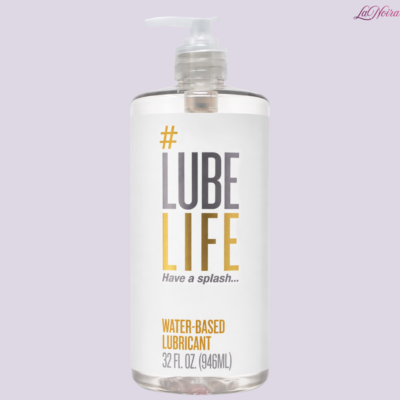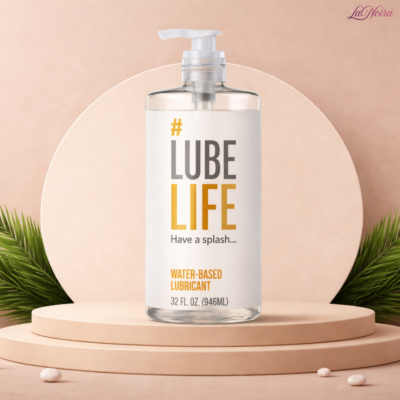
Water Based Lubricants – Lightweight Feel & Easy Comfort

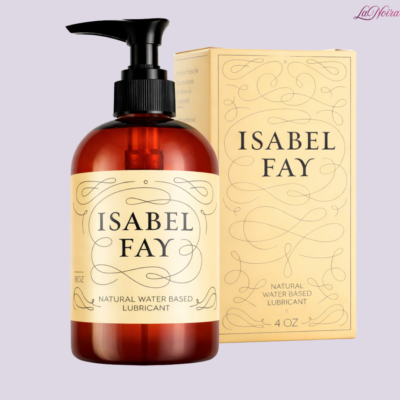
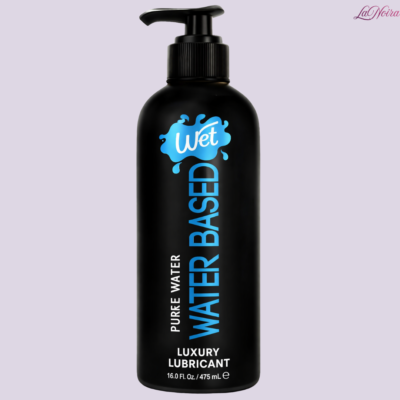
LaNoira's water-based lubricants are formulated 100% free of glycerin, parabens, petroleum, and hormones — pH-balanced for sensitive skin and safe with condoms and silicone toys. Led by the USA-crafted Isabel Fay Natural Water-Based Lubricant, every formula below is built for daily comfort, not just occasional use.
✓ Glycerin-Free ✓ Paraben-Free ✓ pH-Balanced (3.8–4.5) ✓ Toy & Condom Safe ✓ Discreet Shipping

Showing all 4 results
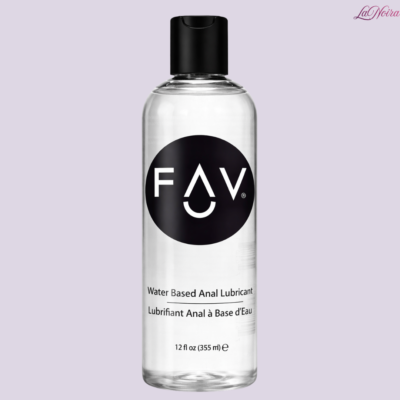
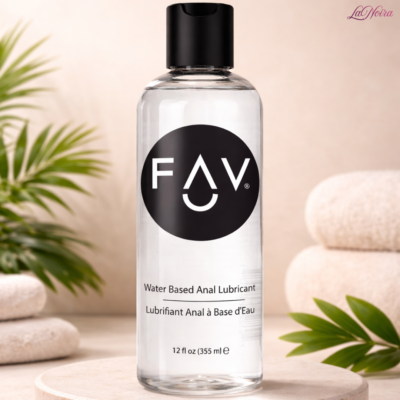
Clean Formulation Standard

Not all water-based lubricants
are formulated equally

Most lubricants on the Indian market are built to a price, not a safety standard. Glycerin is added as a cheap thickener, parabens extend shelf life at low cost, and pH is rarely disclosed because it is rarely matched to the body’s actual needs. In India’s warm, humid climate, these are not minor omissions. Glycerin feeds yeast overgrowth; hyperosmolar formulas draw moisture out of delicate tissue; a pH mismatch disturbs the protective bacterial environment that keeps infection at bay.

Every formula in this collection is 100% free of glycerin, parabens, petroleum, and added hormones, with pH and osmolality engineered to work with the body rather than against it. The difference is most apparent during India’s hotter, more humid months and for anyone with a history of sensitivity, irritation, or recurrent infection.

Below is the science behind those formulation decisions, a full comparison against other lubricant types and lower-standard water-based options, material compatibility for condoms and silicone toys, and answers to the practical questions Indian buyers consistently ask.

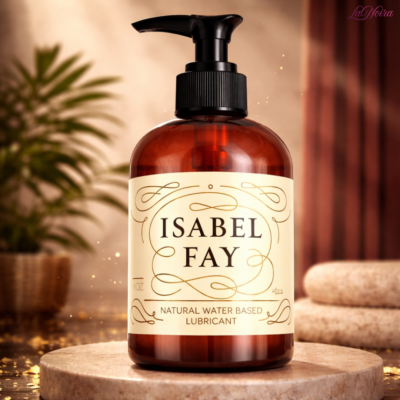
Isabel Fay Natural Water-Based Personal Lubricant India — glycerin-free, paraben-free
LaNoira Hero Pick
Isabel Fay Natural Water-Based Personal Lubricant

Formulated in the USA for hyper-sensitive skin. pH-matched, isotonic, and free of every ingredient your body does not need.

Glycerin-Free Paraben-Free pH-Matched Hormone-Free
Formulation Science

The two numbers that determine whether a lubricant is actually safe

Almost no Indian retailer explains pH and osmolality. Both determine whether a lubricant supports the body’s natural protective environment or quietly works against it. Here is what the science says.

3.8–4.5
Optimal pH range
pH balance — matched to your body, not to a shelf

The healthy vaginal environment sits in a mildly acidic range of pH 3.8 to 4.5, maintained by protective lactobacilli. A lubricant formulated outside this range, including the pH-neutral 7.0 of most generic gels, can disturb that balance and give opportunistic yeast and bacteria room to overgrow. LaNoira’s formulas are pH-matched to this natural range.

<1,200
WHO-safe mOsm/kg threshold
Osmolality — the number almost no brand in India discloses

Osmolality measures how a lubricant’s water content interacts with the water inside your own cells. The World Health Organization recommends intimate lubricants stay under roughly 1,200 mOsm/kg. Many glycerin-based mass-market gels test at 2,000 to 6,000 mOsm/kg or higher. A hyperosmolar lubricant pulls moisture out of epithelial cells rather than supplementing it — the mechanism behind post-use dryness, micro-tears, and increased susceptibility to UTIs and BV. LaNoira’s formulas are engineered close to isotonic.

0%
Glycerin & parabens
Why glycerin-free is not a marketing claim in India’s climate

Glycerin is a sugar alcohol that can feed yeast overgrowth as it breaks down internally, a particular concern in India’s warm, humid climate where yeast infections are already more prevalent. Parabens are preservatives linked to endocrine disruption with prolonged mucosal exposure. Removing both is a formulation decision that directly reduces irritation risk for daily or sensitive use — not a trend claim.

Comparison

How water-based stacks up

A full comparison across lubricant types and formulation standards — including the factors most category pages omit. Those specifically looking for shower-play or extended-session performance may also want to explore the silicone-based lubricant collection.

Parameter LaNoira Clean Water-Based Mass-Market Water-Based Silicone-Based Household Oils
Condom safety Safe — latex & polyurethane Usually safe Safe — latex & polyurethane Unsafe — degrades latex
Silicone toy safety Safe — all materials Generally safe; check ingredients Unsafe — degrades silicone toys Unsafe — degrades silicone toys
Cleanup ease Washes off with water, no residue Usually easy; glycerin can leave tackiness Requires soap; stays on skin Difficult — oily residue lingers
Sensitive skin High — pH-matched, hormone-free Variable — depends on glycerin/parabens Moderate — few irritants, no pH match Low — pore-clogging, mucosal irritant
Residue on sheets None — rinses clean Low to moderate Moderate — long-lasting film High — staining, oily
pH balance Matched to 3.8–4.5 Rarely disclosed; often ~7.0 Not applicable (non-aqueous) Not applicable (non-aqueous)
Osmolality Isotonic — under 1,200 mOsm/kg Often 2,000–6,000+ mOsm/kg Not applicable Not applicable
India climate suitability High — clean rinse, glycerin-free Moderate — glycerin residue in humidity Moderate — soap needed for full cleanup Low — bacterial risk in humid conditions
Technical Safety Guide

Material compatibility, fabric safety and climate care

Three practical considerations that most lubricant pages skip entirely — especially relevant for Indian buyers using intimate products with condoms, silicone toys, or in warm, humid conditions.

Condom & toy material compatibility

Water-based is the only lubricant type compatible with every material combination you are likely to encounter.

  • Latex condoms — fully compatible
  • Polyurethane condoms — fully compatible
  • Medical-grade silicone toys — the only safe choice
  • Silicone-based lube + silicone toys — surface degradation risk
  • Oils + latex condoms — causes latex breakdown and failure
Fabric and sheet stain safety

Because LaNoira’s water-based formulas carry no oil, they do not leave the kind of marks on fabric that oil-based lubricants and massage products do. A cold-water rinse before the formula dries is usually all that is needed for cotton and blended-fabric bedsheets. Silicone-based lubricants leave a long-lasting film on fabric that often requires hot water and detergent to clear. Oil-based products can leave permanent marks on some fabrics. For anyone concerned about discretion at home, water-based is the lowest-risk choice across all materials.

Tropical climate and monsoon hygiene

In high-humidity conditions, product residue left on skin creates a more favourable environment for bacterial and yeast growth than in drier climates. A glycerin-free, clean-rinse water-based formula reduces that residue significantly. India’s hard, mineral-heavy tap water can interfere with a full soap-and-rinse cleanup of silicone or oil-based lubricants. Water-based formulas are considerably easier to clear with standard tap water, making post-use hygiene less dependent on water quality. During the monsoon season, when heat and humidity compound each other, this difference becomes particularly practical.

Buyer’s Guide

Which formula is right for you?

Five scenarios. Five direct answers.

If you… Choose Why
Have sensitive skin or a history of irritation, UTIs, or BV Isabel Fay Natural Water-Based Lubricant 100% glycerin, paraben, petroleum and hormone-free; pH-matched for daily comfort; isotonic osmolality
Use silicone toys regularly Any LaNoira water-based formula The only lubricant type fully safe with medical-grade silicone — no surface degradation risk
Want a low-maintenance option for everyday intimacy Lightest-viscosity formula in the range Minimal residue, easy reapplication, no fragrance load — designed for regular, ongoing use
Need longer-session or anal-specific coverage Thicker-viscosity, higher-glide formula Designed for extended glide without silicone’s toy-compatibility trade-off
Are shopping for shared use with a partner Unscented, hormone-free formula Broadest compatibility across skin types and sensitivities; no added fragrance to react to
Frequently Asked Questions

The questions Indian buyers ask most

Yes. Water-based lubricants are the only category considered universally safe with medical-grade silicone toys. Silicone-based lubricants chemically interact with silicone toy surfaces over repeated use, causing tackiness, surface degradation, and a breakdown of the material’s non-porous properties. Oil-based lubricants present similar risks. Water-based formulas carry none of these interactions.

No. Because there is no oil content in LaNoira’s water-based formulas, they do not leave the kind of persistent marks on fabric that oil-based lubricants and massage products do. A cold-water rinse before the formula dries on the fabric is usually sufficient for cotton and blended-fabric bedsheets. Attending to it promptly is the only practical consideration.

Glycerin is a sugar alcohol that can encourage yeast overgrowth as it breaks down internally. In India’s warm, humid climate, yeast infections are already more common than in cooler, drier environments. Adding a glycerin-heavy lubricant to that equation removes an avoidable variable that can tip the balance toward irritation or infection. A glycerin-free formula does not carry that risk.

Every LaNoira order is packed in plain, unbranded outer packaging with a neutral sender name on the shipping label and invoice. Nothing on the parcel indicates its contents, the product category, or the sender’s identity to anyone in your household or building. Cash on delivery is available at checkout for those who prefer not to have the purchase appear on a bank statement.

Yes. LaNoira’s water-based formulas are compatible with both latex and polyurethane condoms. Water-based lubricants do not degrade latex the way oil-based products do. If you are using latex condoms specifically, water-based is the safest lubricant choice and the one most commonly recommended by sexual health practitioners.

Yes. Because LaNoira’s water-based formulas are pH-matched, isotonic, and free of glycerin, parabens, and hormones, they are designed to be gentle enough for regular, ongoing use rather than occasional use only. Many customers use them as a daily moisturiser for vaginal dryness or discomfort outside of sexual activity as well, which is a legitimate and increasingly common use case.

Osmolality describes how concentrated a solution is relative to the water inside your body’s cells. A lubricant with very high osmolality, which is common in mass-market glycerin-based gels, pulls moisture out of the delicate epithelial cells lining the vagina rather than supplementing them. This is the mechanism behind the dryness, micro-tears, and increased infection susceptibility that some users experience after using certain lubricants. The World Health Organization recommends intimate lubricants stay under roughly 1,200 mOsm/kg for this reason. LaNoira’s clean formulas are engineered close to isotonic, meaning they sit close to the body’s own osmolality and supplement moisture rather than competing with it.