Showing all 4 results
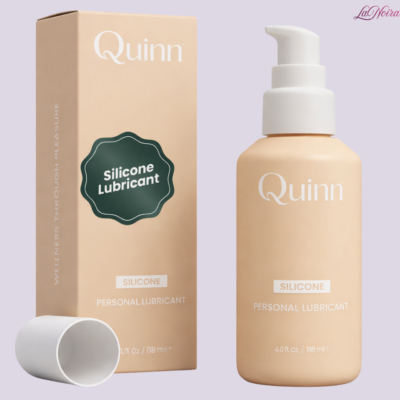
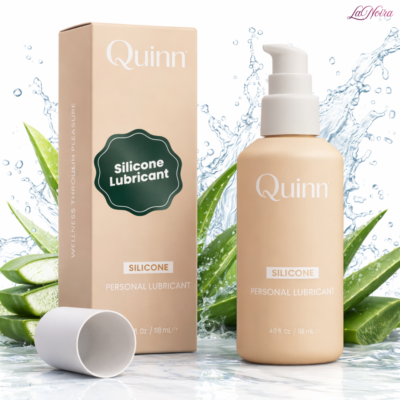
Quinn Premium Silicone Personal Lubricant: Silky-Smooth, pH-Balanced & Water-Resistant Wellness Formula
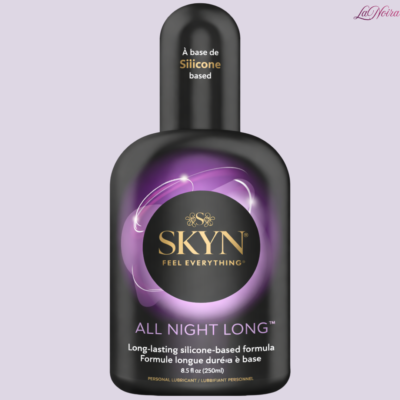
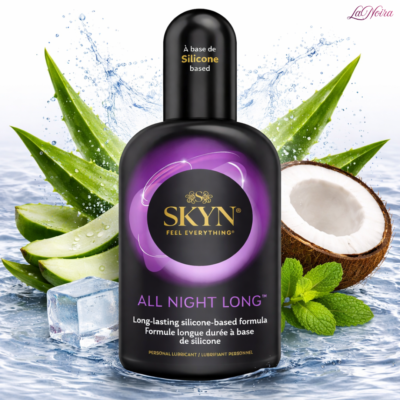
SKYN All Night Long™ Silicone-Based Lubricant: Long-Lasting, Fragrance-Free Formula
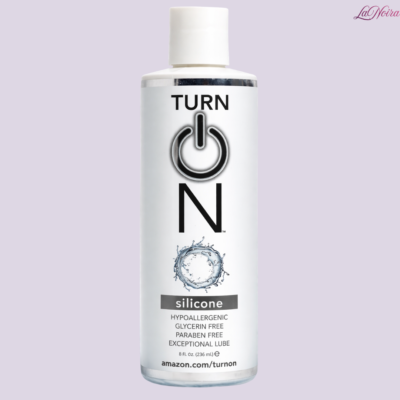
Turn On Silicone-Based Premium Lubricant: Ultra-Slippery, Hypoallergenic & Waterproof Formula (236ML)
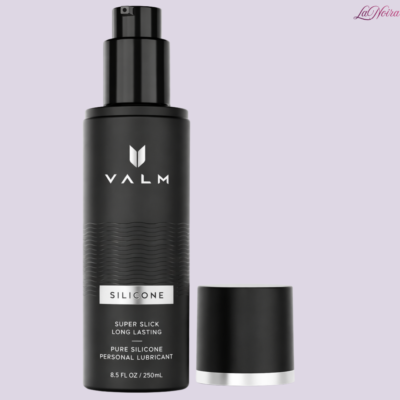
VALM Pure Silicone Personal Lubricant: Super Slick, Long-Lasting & Waterproof Formula
A lubricant that does not
need to be reapplied is a
different kind of product
Most lubricants run out before the session does. Water-based formulas absorb into skin, thin out with body heat, and wash away entirely in the shower. Silicone-based lubricants do none of these things. Built on high-purity siloxane polymers — the same class of chemically inert compounds used in dermatology, surgical coatings, and medical device manufacture — LaNoira’s silicone formulas form a non-porous, breathable film that sits above the skin’s surface rather than absorbing into it. That structural difference is the source of everything that makes them genuinely distinct: the glide that does not diminish, the water resistance that does not fail, the comfort that holds from start to finish.
This page covers the chemistry behind that performance, a complete comparison against water-based formulas and household alternatives, the safety rules that no other Indian retailer explains clearly, and the specific scenarios where silicone is the correct choice and where it is not. Because the one situation where a silicone lubricant should never be used — with silicone toys — is also the one most commonly left unaddressed by the category.
Medical-grade siloxane formula. Zero evaporation. Fully water-resistant. Engineered for extended intimacy and shower play.
Why silicone lasts where everything else stops
Four properties, rooted in siloxane chemistry, that separate medical-grade silicone lubricants from everything else in the category.
LaNoira’s silicone formulas are built on high-purity Dimethicone and Cyclomethicone derivatives — the precise siloxane compounds used in dermatological products and medical device coatings for their chemical stability. Most Indian lubricant brands describe their formulas as “silky” without naming a single compound. The chemistry is the guarantee, and it is worth knowing by name.
Dimethicone and Cyclomethicone are chemically inert. They do not react with skin proteins, mucosal tissue, or natural bodily fluids. This inertness is why silicone lubricant carries a lower irritation profile than many water-based formulas that rely on glycerin, preservatives, and pH stabilisers to function. Fewer reactive ingredients means fewer opportunities for irritation.
Water evaporates. Siloxane molecules do not — at body temperature, they maintain a constant viscosity from first application to end of session. There is no thickening, no tackiness, no dry-out. A single application is engineered to outlast the session, which is a qualitatively different experience from managing reapplication mid-intimacy.
Silicone forms a temporary, flexible barrier layer above the skin’s surface rather than absorbing into it. This non-porous film reduces friction-related micro-abrasion throughout the session, which is specifically relevant for prolonged, high-friction, or anal intimacy where consistent lubrication — not just an initial application — determines comfort and safety.
Silicone vs. water-based vs. household alternatives
An honest side-by-side across every dimension that matters in practice, including the factors most Indian retailers do not mention.
| Parameter | Medical-Grade Silicone | Water-Based | Household Oils / Ghee |
|---|---|---|---|
| Session longevity | Single application, full session | Absorbs into skin; frequent reapplication needed | Variable; degrades with heat and friction |
| Water / shower play | Fully water-resistant — does not wash away | Dissolves almost immediately in water | Washes away; can clog drainage |
| Silicone toy safety | Not safe — degrades silicone toy surfaces | Safe with all toy materials | Not safe — degrades silicone and latex |
| Latex condom safety | Safe — latex and polyisoprene compatible | Safe with all condom materials | Unsafe — degrades latex, causes failure |
| Skin cleanup | Requires mild soap and warm water | Rinses with water alone | Requires detergent; oil residue lingers |
| Sensitive skin | High — minimal ingredients, non-absorbing | Variable — depends on glycerin and paraben content | Low — pore-clogging, bacterial risk |
| India climate performance | Excellent — unaffected by heat, humidity, perspiration | Moderate — dilutes with perspiration and humidity | Low — bacteria risk increases with heat |
| Sheet / fabric residue | Mild soap pre-treat before washing | Cold-water rinse usually sufficient | Persistent oil staining on most fabrics |
What every buyer needs to know before using silicone lubricant
Three compatibility rules that most Indian retailers selling silicone lubricants alongside silicone toys leave entirely unaddressed.
Silicone-based lubricant should never be used with silicone intimate devices. Both materials share the same base polymer structure, and prolonged contact causes cross-linking degradation — the silicone in the lubricant softens and breaks down the surface of the toy, permanently damaging its texture, compromising its non-porous integrity, and making it a bacterial risk for future use. The degradation is not always visible immediately, but it is irreversible. LaNoira’s silicone lubricants are formulated for body-to-body and skin-on-skin intimacy, not for use with silicone toys. If your collection includes silicone devices, pair them with a water-based formula instead.
This is the question that Durex — a condom company — does not answer on its own lubricant page. Here is the explicit breakdown: silicone lubricants are chemically inert and do not degrade latex or polyisoprene at a molecular level the way oil-based products do. Polyurethane compatibility varies by manufacturer formulation and should be confirmed with the specific product before use.
- Latex condoms — fully compatible
- Polyisoprene condoms — fully compatible
- Polyurethane condoms — check manufacturer guidance
India’s climate is where silicone lubricant earns its place
In a tropical climate, water-based lubricants face a practical limitation that product descriptions written for temperate markets do not acknowledge: perspiration dilutes them, humidity accelerates absorption, and shower or bucket-bath play removes them entirely before they have done their job. Silicone molecules do not dissolve in water, do not thin with perspiration, and are unaffected by ambient humidity. In monsoon conditions, peak summer, or any context involving water play, a single application of LaNoira’s silicone formula maintains full glide integrity throughout. For cleanup, a mild body wash or soap with warm water removes residue from skin cleanly. For fabric, a small amount of dish soap or laundry pre-treater applied before the regular wash cycle is all that is needed — and for delicate or luxury bedding, a spot test on an inconspicuous area before machine washing is always the safest approach.
When to choose silicone over water-based
Silicone lubricant is not the right choice for every situation. These are the four where it is specifically the better one.
The only lubricant type that maintains full slip in water. Completely unaffected by submersion, perspiration, or humidity — making it the only realistic choice for shower or bath intimacy.
Zero evaporation means zero interruptions for reapplication. The glide that begins a session is the same glide that ends it — consistent performance from start to finish without managing timing.
Consistent, sustained lubrication — rather than initial wetness followed by dry-out — is what determines comfort and safety during anal play. Silicone’s non-absorbing film provides that consistency across the duration of the session.
A minimal-ingredient, non-absorbing formula applied once reduces the friction-related irritation that occurs with repeated reapplication of water-based formulas. Fewer applications mean fewer opportunities for sensitivity reactions.
Practical questions, direct answers
Silicone lubricant does not rinse away with water alone — this is the same property that makes it water-resistant during use. For skin, use a mild soap or body wash with warm water to break down the residue fully. For bedsheets and fabric, apply a small amount of dish soap or laundry pre-treater to the area before putting it through a normal machine wash. For luxury or delicate fabric, spot-test first and avoid high-heat drying until the area is fully clear.
Yes, with latex and polyisoprene condoms. Silicone is chemically inert and does not degrade either material, which is how oil-based lubricants cause condom failure. For polyurethane condoms, compatibility can vary by brand and formulation, so it is worth checking the manufacturer’s guidance on your specific product. If you are unsure, a water-based lubricant is always the safest pairing across all condom materials.
Silicone lubricant is not absorbed into the skin, which means the formula sits above the surface rather than interacting with it at a cellular level. It also typically requires significantly fewer preservatives, stabilisers, and thickeners than water-based alternatives — each of which is a potential irritant for reactive or sensitive skin. A minimal-ingredient, non-absorbing formula applied once is generally a lower-irritation option than repeated applications of a glycerin or paraben-containing water-based product.
Every LaNoira order is packed in plain, unbranded outer packaging with no product imagery, descriptive labeling, or indication of contents on the exterior. The shipping label and invoice reflect a neutral sender name and description. Cash on delivery is available across India at checkout for those who prefer not to have the purchase appear on a bank or card statement.
Unbranded, unmarked outer packaging on every order. Neutral sender name on label and invoice.
COD at checkout nationwide. No prepayment, no bank record of the purchase category.
Dimethicone and Cyclomethicone derivatives. Dermatologically tested. Paraben-free formulation throughout.
Every product in this collection is screened for chemical purity before it is offered on LaNoira.